Search This Blog

ARTICHOKE DIP (semi-homemade)

This amazing diuretic vegetable nutritional value mostly because of its exhibiting an aid to digestion, strengthening of the liver function and gall bladder function, and raising of the HDL/LDL ratio. This reduces cholesterol levels, which diminishes the risk for arteriosclerosis and coronary heart disease. Aqueous extracts from artichoke leaves have also been shown to reduce cholesterol by inhibiting HMG-CoA reductase and having a hypolipidemic influence, lowering blood cholesterol. Artichoke contains the bioactive agents apigenin and luteolin. C. scolymus also seems to have a bifidogenic effect on beneficial gut bacteria. Artichoke leaf extract has proved helpful for patients with functional dyspepsia, and may ameliorate symptoms of IBS.

* 1 medium artichoke (128g) contains the following nutritional information according to the USDA:

 Calories: 60

 Fat: 0.19

 Carbohydrates: 13.45

 Fibers: 6.9

 Protein: 4.19
.......................................................
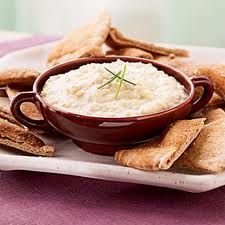

Semi-homemade 'Artichoke Jalapeno Dip''

Resers co. put this dip out however, try a different brand or, with another dip. This one is my favorite because it's full of artichokes and sometimes hard to find (?) By adding 3 to 4 heaping tablespoon to a pint of sour cream gives it the right texture and amount of spices. When I first got the idea it was on sale that made worth trying. Today we need to stretch the old budget... This way I can add light or baked potato chip with the savings (on sale of course.) It will make if you buy the 1 lb. 8 oz. size for months. I use it for snacks even on w/w Western Family Crackers,(which has less preservative and more fiber then the rest of these kind of crackers) Artichokes are so good for you.
Add more if you want more artichokes in the dip, but no more seasonings such as salt.

Any suggestions in comment

BULGUR SALAD

Bulgur Nut Salad (Bazargan)
          Preparation time: 10 min Servings: 6 cooking time: 5 min

  Ingredients:
        1 tsp. olive oil

1/2 tsp. ground allspice

1 tsp. cumin seed

2 cups boiling water

1 cup dry bulgur

2 cups sweet onions, chopped

1/2 cup tomato puree

1 tbsp. dried mint

1/4 cup toasted chopped walnuts

3 cups assorted fresh vegetables, such as tomatoes, cucumbers, and/or sweet peppers

 Cooking Directions:
 Pour the boiling water over the bulgur and let sit 30 minutes, or until soft. Drain and squeeze dry. Heat the oil in a skillet and sauté the onion until soft but not brown, 3 to 5 minutes. Add the tomato puree, mint, cumin, and allspice. Stir in the bulgur and walnuts. Add the lemon juice and mix thoroughly. Let sit at least 30 minutes to blend the flavors. Add chopped fresh vegetables like cucumber, tomatoes, and/or sweet peppers just before serving. Serve chilled.  

Nutrition Facts

Calories 190 % Calories Fat 21.3%Total Fat 4.5g Saturated Fats 0.5gMono-unsaturated Fats 1.1gPoly-unsaturated Fats 2.6gCholesterol 0mg Sodium 46mg Total Carbohydrates 32g Dietary Fiber 9.1gSugar 4.1gProtein 6.6g

WILD FOOD FROM EDIBLE GARDEN FLOWERS

"Wild Food and Recipes UK. Foraging and creating great recipes with flavor's forgotten".. for more photo and the rest of this study click to this site. It's excellent.
Guide to Edible Wild and Garden Flowers (UK)
This is a Prepper's post: plant what's edible but with no chemicals
"The culinary use of Edible flowers dates back many years with the first recorded mention is thousands of years old. Many different cultures use flowers in their traditional foods. The Romans used mallow, rose and violets. Italian and Hispanic cultures gave us stuffed squash blossoms, and Asian Indians use rose petals in many recipes. Did you know Chartreuse, a classic green liqueur developed in France in the seventeenth century, boasts carnation petals as one of its secret ingredients?

The Victorians started the craze in the UK by adding garish flowers to their main courses to get one up on their guests, there is no doubt that the poor must have eaten them as a food-stuff way before the Victorians existed although this would be difficult to prove.

 Some of the other benefits of eating Wild and Garden Flowers are that they are rich in nectar and pollen and studies have shown pollen to be nutritious with vitamins and minerals. Roses and especially rose hips, are very high in vitamin C. Dandelion blossoms are high in vitamins A and C while the leaves are loaded with iron, calcium, phosphorous and vitamin A and C. Marigolds and Nasturtium are also a good source of vitamin C.

Picking them; be careful when collecting flowers, make sure that you pick the flowers early in the day and handle the flowers gently so as not to damage them. Shake gently to remove insects. Never pick where they have been sprayed even near garden lawns spays or along roads. Wash them gently when you get home if you must, and pat them dry. You can store them for a few hours in the fridge if you put them in an airtight bag.

There are many flowers and blossoms that can be enjoyed both fresh and cooked. It's hard to buy edible flowers, but quite easy to grow most of them in your garden including the Wild varieties which can now readily be found and bought online. Since flowers are best when eaten soon after harvest, growing your own edible flowers makes even more sense as it takes less time to get them form plant to plate.

However, you need to really use caution when choosing edible flowers. Only eat flowers when you are absolutely certain they are edible. Never eat a flower that has been treated with a pesticide that was not labeled for use on food products. If you are choosing from your own garden flowers to eat, be certain you know your flowers as not all flowers are edible. Some can cause serious stomach problems and some are quite poisonous.

Finally, some Edible Wild Flowers are becoming rare, so sometimes more urban foraging techniques such as plundering your own gardens flowers is the way forward be aware of the rare and the quite common. You may have a lot of edible flowers growing in your garden all ready and you don't even know it so why don’t you read on. Remember, only eat flowers that you are 100% sure that you have positively identified as safe to eat!

So here it is, a long list, probably not a definitive list but a good starting point of Wild plants and Garden plants that are edible and what they look, smell and taste like! Enjoy!

The Ultimate Guide to Edible Wild and Garden Flowers (UK book)

Allium family: All members of the Allium family are edible. The tastes range from mild onion and leek to strong onions and garlic. The flowers tend to have a stronger flavor than the leaves and the young-developing seed heads are even stronger. You can eat the leaves and flowers in a salad and the leaves can also be cooked in a soup for flavorings. The flowers are delicious on chives in particular! (Heirloom seeds no GMO SEEDS)

Angelica: Depending on the variety, flower range from pale lavender-blue to deep rose. It has a flavor similar to liquorice. Angelica is valued culinary from the seeds and stems, which are candied and used in liqueurs, to the young leaves and shoots, which can be added to a green salad. Because of its celery-like flavor, Angelica has a natural affinity with fish. FOR MORE WONDERFUL PHOTOS AND IDEAS TO WHAT WE CAN EAT CHECK OUT THE REST OF THIS SITE AND PG: I WILL "PIN" THESE TOO.
Follow Me on Pinterest
http://www.wildfoodandrecipes.co.uk/2010/03/stinging-nettle-natures-health-food.html


Any suggestions in comment